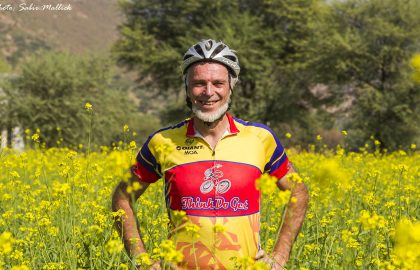
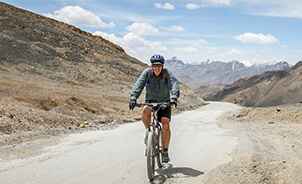

Cycling through Rajasthan offers an extraordinary journey into one of India’s most vibrant and diverse states, where history, culture, and natural beauty converge. This royal land is famed for its grand hilltop forts, lavish palaces, and colorful cities like Jaipur, Jodhpur, and Udaipur, each telling stories of centuries-old kingdoms and valiant Rajput warriors. Beyond the iconic monuments, Rajasthan’s landscapes shift from arid desert plains to lush lakeside vistas and rolling Aravalli hills, revealing a rich tapestry of rural life, traditional villages, and bustling markets. The state’s cultural heartbeat pulses strongest during festivals like the Pushkar Camel Fair, where centuries-old customs come alive in a riot of color, music, and celebration. Cycling here allows an intimate connection with Rajasthan’s timeless heritage and warm hospitality.
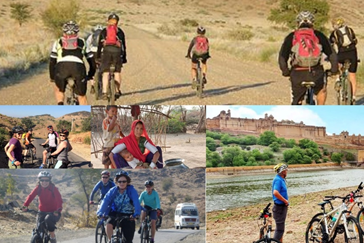
The cycling continues to Ranakpur, famed for its exquisite Jain temple adorned with intricate marble carvings. Cycling in Rajasthan includes cycling through rural villages, revealing the authentic rhythms of Rajasthan’s countryside, a glimpse of culture, traditions culminating in the vibrant Pushkar Camel Fair, a spectacular festival where thousands of camels, traders, musicians, and pilgrims gather in a dazzling display of culture and tradition. The cycling tour eventually concludes with visits to one of Jaipur’s palaces and Ranthambore’s tiger reserve, ending at the iconic Taj Mahal in Agra.
Day 1: Delhi – A Gateway to India’s Capital
Delhi – India’s sprawling capital city, a fascinating blend of ancient history and modern dynamism. Delhi’s vastness encompasses the walled city of Old Delhi, with its labyrinthine alleys and Mughal-era monuments, and the planned grandeur of New Delhi, designed by British architects. Delhi is a city that provides a quiet pause before immersion into the bustling streets and rich heritage of the capital. A lot of sightseeing does make one want to indulge more in the city. The energy hums in the background, setting the stage for the cultural immersion ahead. Delhi’s unique position as a historical crossroads of empires and cultures makes it a fitting starting point for this Rajasthan odyssey.
Day 2: Discover Delhi’s Mughal Splendor and Colonial Legacy
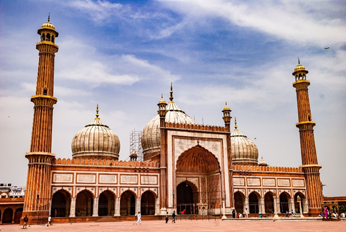
Begin with Old Delhi’s iconic Jama Masjid, one of India’s largest mosques, built in the 17th century by Emperor Shah Jahan. Its imposing red sandstone and marble façade, vast courtyard, and towering minarets evoke Mughal architectural grandeur. Nearby, Chandni Chowk bazaar bustles with traders, food stalls, and vibrant street life, reflecting centuries of commerce and culture. It’s an amazing place to be after sunset hours.
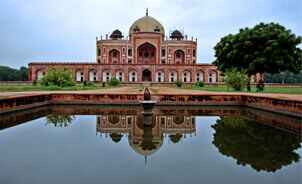
The market’s narrow lanes, aromatic spices, and historic havelis provide an immersive sensory experience. A visit to Humayun’s Tomb, a UNESCO World Heritage site, reveals a small precursor to the Taj Mahal’s design, with its Persian-influenced gardens and symmetrical domes. Delhi is steeped in extensive Mughal history, full of imperial power to colonial urban planning, enriching an understanding of India’s complex past.
Day 3: Udaipur – The City of Lakes and Royal Charm
Udaipur – The palace city, the Lake City, known by so many names – is renowned for its idyllic lakes and romantic palaces nestled amidst the Aravalli hills. The city’s network of lakes, including the famed Lake Pichola, reflects the sky and palaces, creating a magical ambiance. A perfect welcome to this city is a warm sunset ride around the lakes that provide a tranquil introduction to Rajasthan’s cycling terrain.
Udaipur’s City Palace, perched on the lake’s edge, is a sprawling complex of courtyards, balconies, and museums showcasing Rajput art and history. Even more special is to have your meals by the lakeside, which offers stunning views of illuminated palaces and temples, blending natural beauty with regal architecture. Udaipur’s serene atmosphere contrasts with the desert landscapes ahead, marking it as a jewel of Rajasthan’s cultural tapestry.
Day 4: Cycling Udaipur’s Countryside – Lakes, Palaces, and Rural Life
Leaving Udaipur on a bicycle is one of the most beautiful things to do. You ride past the bustling center into peaceful countryside dotted with small villages and rolling hills. The ride features a mix of paved and dirt roads, with gentle ascents and descents providing a moderate physical challenge. To satisfy your hunger, a lakeside lunch at a local restaurant offers a taste of regional cuisine amid scenic surroundings.
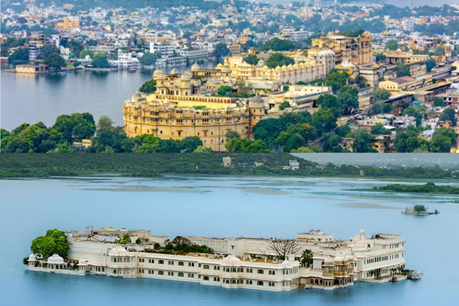
The route passes traditional farmhouses and fields, where farmers tend crops and women carry water pots, embodying rural Rajasthan’s daily rhythms. While cycling around Udaipur, one can also visit to the City Palace’s museum or take a boat ride on Lake Pichola, where views of the Jag Mandir island palace create postcard-perfect moments. This day balances physical activity with cultural immersion, introducing the region’s natural beauty and historic grandeur.
Day 5: From Udaipur to Kumbhalgarh – Rural Roads and the Great Wall of India
Udaipur is densely populated, and to avoid the city traffic, cyclists should start their ride in earnest through rural landscapes characterized by dry riverbeds, scrub forests, and traditional villages. The route passes women balancing pots on their heads and herders guiding goats, offering an intimate glimpse into agrarian life. The ride covers approximately 48 km, culminating near Kelwara.
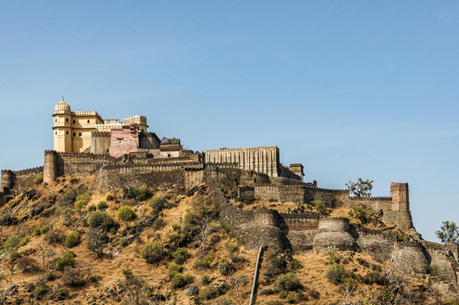
Before visiting a mighty fort, tackling steep climbs is the biggest ask in this area. Kumbhalgarh Fort, a 15th-century Rajput stronghold, dominates the landscape with its massive 38 km-long wall, second only to China’s Great Wall. The fort’s 360 temples, palaces, and battlements tell stories of Rajput valor and architectural ingenuity. Depending on arrival time, an evening or next-morning visit allows exploration of this UNESCO World Heritage site, famed for its strategic location and historical significance.
Day 6: Kumbhalgarh to Ranakpur – Marble Marvels and Aravalli Hills
The ancient Aravalli Hills, among the world’s oldest mountain ranges, stretch majestically across Rajasthan, shaping the region’s landscape with rugged ridges and lush valleys. These hills are a haven for wildlife and rural life, offering scenic routes that wind past historic forts, tranquil lakes, and traditional villages featuring moderate ascents and a rewarding 10 km downhill finish to Ranakpur.
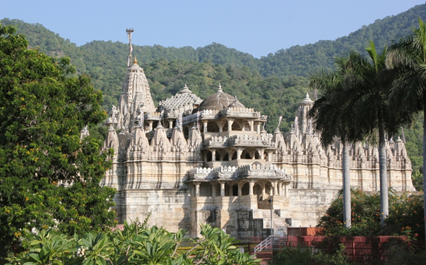
The landscape shifts from rugged hills to verdant valleys, with panoramic views along the way. Ranakpur is renowned for its Jain temple, an architectural masterpiece carved from white marble. The temple’s 1,444 intricately sculpted pillars, geometric ceilings, and the iconic carving of 1,008 snake heads create a mesmerizing spiritual ambiance. The temple remains an active place of worship, where locals and pilgrims gather to seek blessings under the sacred Kalpavriksha tree carving. The surrounding countryside offers peaceful rural scenes, with farmers tending fields and villagers engaged in crafts.
Day 7: Ranakpur to Bera – Rabari Culture and Leopard Safari
Rajasthan is a state of diverse landscapes – deserts, scrublands, shrublands, forests, dunes, everything! The roads to Bera consist of scrublands, farmlands, and colorful hamlets. Bera is home to the Rabari community, famed for camel herding and distinctive cultural attire. Rabari women are easily recognized by their black scarves and bold silver jewelry, while men often migrate seasonally with their herds.
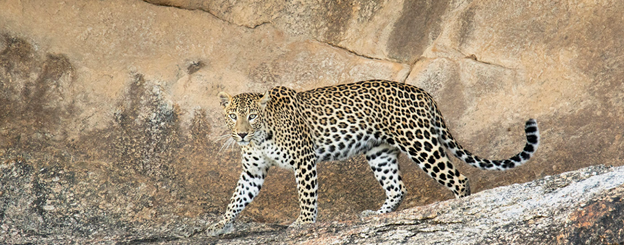
The route to Bera from Ranakpur offers encounters with traditional folk artists and farmers, providing authentic cultural insights. After lunch, an evening jeep safari ventures into nearby forests in search of elusive leopards, a thrilling wildlife experience in Rajasthan’s rugged terrain. The day concludes at a luxury camp nestled in nature, offering comfort amid wilderness and an opportunity to reflect on the day’s diverse experiences.
Day 8: Beda to Bhenswara – Rural Rajasthan and vibrant hospitality
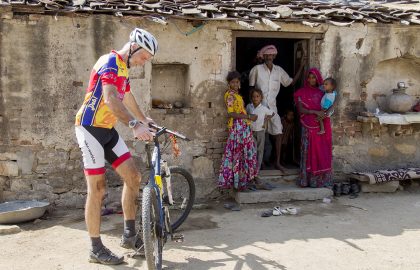
Cycling in Rajasthan is relatively easy, with flat terrains being what most cyclists will cover, traversing tarmac roads with occasional dirt patches. The route passes thatched homes, mud courtyards, and barefoot children waving cheerfully, embodying the warmth of rural Rajasthan. Villagers often greet travelers with smiles and invitations for chai, offering a window into everyday life.
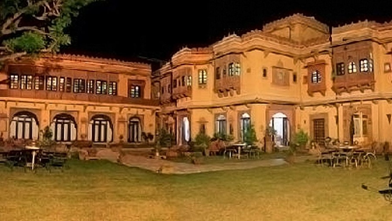
The journey reveals agricultural practices, local crafts, and traditional lifestyles largely unchanged by modernity. Bhenswara is a peaceful village, a beautifully restored heritage hotel that exemplifies local architecture and hospitality. This day epitomizes slow travel, emphasizing cultural connection and immersion over speed.
Day 9: Bhenswara to Jodhpur – Desert Landscapes and the Blue City
The Blue City – Jodhpur lies just 1200 km away from Bhenswara. To reach Jodhpur, cyclists will mostly encounter dry, desert-like terrain with gentle rolling hills leading to Bhadrajun, followed by wide open roads and deserts towards Jodhpur. The route passes mud-brick villages with narrow streets, where traditional customs persist. Women in bright ghagras and men in turbans add vibrant color to the earthy landscape.
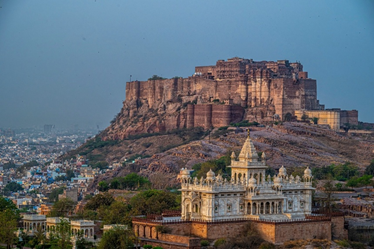
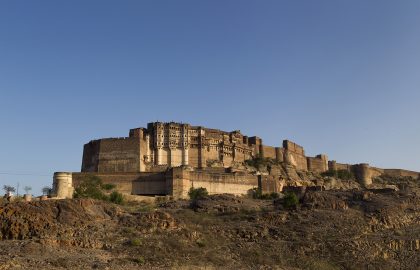
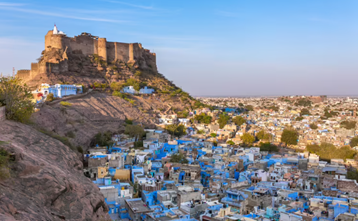
Jodhpur, known as the “Blue City,” is famed for its blue-painted houses, which create a striking visual effect against the desert backdrop. The city’s imposing Mehrangarh Fort, perched on a rocky hill, dominates the skyline. The fort’s museums display royal artifacts, including weaponry, paintings, and palanquins. Nearby, the marble Jaswant Thada cenotaph offers a peaceful retreat, and the bustling markets teem with spices, textiles, and handicrafts, providing a sensory feast.
Day 10: Exploring Jodhpur – Forts, Palaces, and Markets
There is so much to do in the Blue City! Jodhpur includes countless attractions that every tourist must visit. Mehrangarh Fort, a masterpiece of Rajput architecture with massive walls, intricately decorated palaces, and panoramic views of the city’s blue rooftops. The fort’s museum houses the royal armory, paintings, and historical artifacts, narrating the city’s martial heritage.
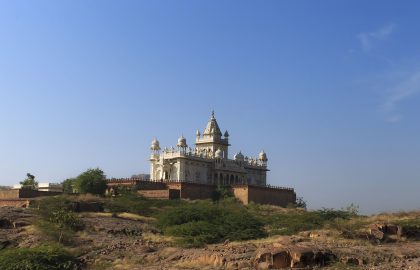
Jaswant Thada, a white marble memorial, serves as a serene contrast with its delicate latticework and tranquil gardens. The Umaid Bhawan Palace, one of the world’s largest private residences, showcases Art Deco design and royal opulence. Exploring the old town’s bazaars reveals vibrant markets filled with spices, textiles, and handcrafted jewelry, reflecting Rajasthan’s rich artisanal traditions.
Day 11: Pushkar
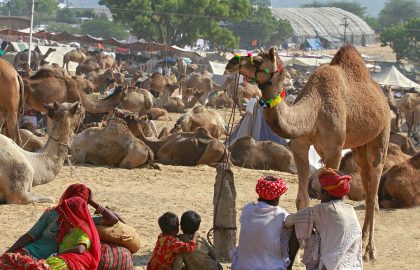
Pushkar, a sacred town built around a tranquil lake, buzzes with the energy of the annual Camel Fair around the time of Diwali (October – November). The town’s ghats and markets come alive with pilgrims, traders, and performers, creating a festive atmosphere that blends spirituality with vibrant cultural expression.
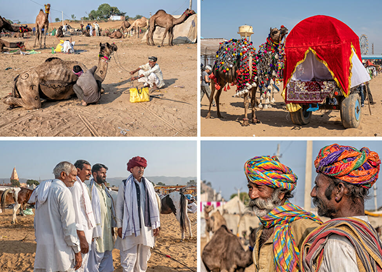
At dawn, Pushkar Lake glows golden as devotees perform ritual baths at the sacred ghats, offering prayers and incense. The Brahma Temple, one of the few dedicated to Lord Brahma worldwide, stands as a spiritual centerpiece. The Pushkar Camel Fair, held annually after Diwali, transforms the desert into a kaleidoscope of color and activity. Thousands of camels adorned with beads, embroidered blankets, and painted patterns participate in races and competitions. The surroundings are full of folk music, dance, and acrobatics, while the fairground features Ferris wheels, puppet shows, and a bustling livestock market.
Day 12: Jaipur – Palaces, Forts, and the Pink City’s Charm
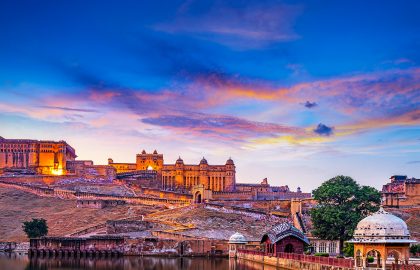
Jaipur, founded in 1727 by Maharaja Sawai Jai Singh II, was meticulously planned according to ancient Indian architectural principles of Vastu Shastra and Shilpa Shastra, making it one of India’s earliest and best-planned cities. Designed with wide, tree-lined avenues and fortified walls featuring seven gates, the city was divided into nine blocks, balancing royal and public spaces. Its distinctive pink sandstone buildings, painted in 1876 to welcome the Prince of Wales, have earned Jaipur the nickname “Pink City,” symbolizing hospitality and royal grandeur. The city’s architecture reflects a blend of Rajput and Mughal styles, evident in landmarks like Amber Fort, Hawa Mahal, and Jantar Mantar, showcasing both aesthetic elegance and scientific innovation.
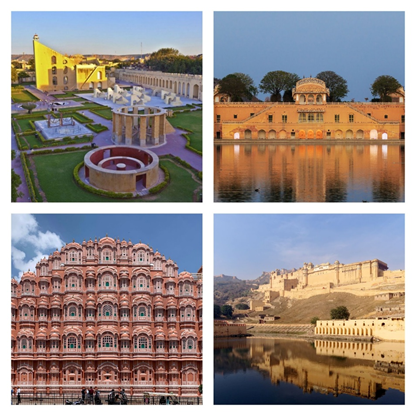
Sightseeing in Jaipur is amazing. Jaipur’s architectural gems include –
– Amber Fort, a hilltop fortress with mirrored halls, royal courts, and panoramic views.
– The Hawa Mahal, or Wind Palace, features a honeycomb façade designed to allow royal women to observe street life unseen.
– Jal Mahal, a palace floating on Man Sagar Lake, offers picturesque reflections.
– The Jantar Mantar observatory showcases 18th-century astronomical instruments. Jaipur’s bazaars brim with textiles, jewelry, and handicrafts, reflecting centuries of artisan traditions. The city’s pink sandstone buildings create a distinctive ambiance, symbolizing hospitality and royal legacy.
Day 13: Jaipur to Ranthambore – Cycling Through Countryside to Tiger Reserve
Cycling from Jaipur to Ranthambore through open countryside and farmlands provides a serene backdrop and quiet riding atmosphere. October to March is the ideal time to visit Ranthambore as the wildlife population in India’s favourite national park is all out and about. The route passes rural villages, offering glimpses of agrarian life and traditional customs. Ranthambore, one of India’s premier tiger reserves, encompasses dry deciduous forests, rocky hills, and lakes. The park’s diverse habitats support Bengal tigers, leopards, deer, and hundreds of bird species. Arrival at the jungle lodge provides a base for wildlife exploration. The day’s ride balances physical activity with anticipation for the upcoming safari.
Day 14: Ranthambore National Park Safari – Encountering the Bengal Tiger
Ranthambore National Park is best experienced through an open jeep safari. The designated national park is renowned for its tiger population. The park’s rugged terrain includes ancient ruins, waterholes, and dense foliage, creating ideal habitats for elusive wildlife. Sightings may include Bengal tigers, leopards, sambar deer, langurs, and a variety of birds such as painted storks and kingfishers.
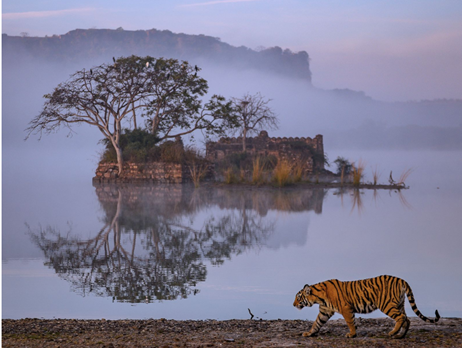
The safari offers a raw and thrilling encounter with India’s wilderness, highlighting conservation efforts and the delicate balance of the ecosystem. The jungle lodge provides comfortable accommodation amidst nature, allowing reflection on the day’s adventures.
Days 15–16: Agra and the Taj Mahal – The Iconic Marble Masterpiece
After Ranthambore, next is India’s (and probably the world’s) most beautiful monument – a wonder of the world that tourists from across the globe travel to visit.
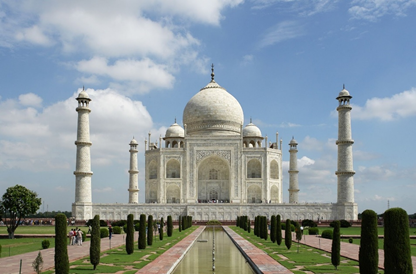
brilliance Heading to Agra, home to the Taj Mahal, a UNESCO World Heritage site and symbol of eternal love. This white marble mausoleum, built by Emperor Shah Jahan in memory of his wife Mumtaz Mahal, is renowned for its symmetrical design, intricate inlay work, and reflecting pools. Sunrise or sunset visits reveal the monument’s changing hues and ethereal beauty. Agra Fort and local markets offer additional insights into Mughal history and culture. The Taj Mahal’s timeless elegance provides a fitting and unforgettable finale to this comprehensive Rajasthan cycling adventure.